Truant: A Nostalgic Touch for Creative Projects
When it comes to typography, the right font can make all the difference in conveying a message or setting a tone. Truant is one such font that brings a unique charm to any design project. With its playful and slightly informal style, Truant evokes memories of school days spent passing notes with friends. This display font is more than just a stylistic choice—it's a tool that adds personality and character to a wide range of creative endeavors.
Understanding Truant: A Unique Display Font
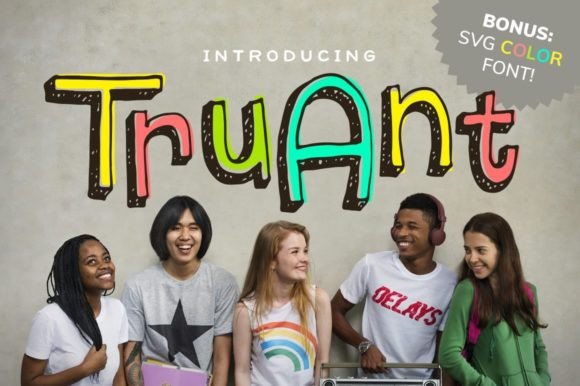
Truant is designed to capture the essence of handwritten notes, making it ideal for projects that require a personal and nostalgic touch. Its irregular shapes and subtle imperfections give it a handcrafted feel, which stands out in a world dominated by sleek and uniform digital fonts. This font is particularly well-suited for designs that aim to evoke warmth, playfulness, or a sense of whimsy.
The font’s name, Truant, suggests a mischievous spirit—perfect for anyone looking to add a little flair to their work. Whether you're designing a children's book, creating a back-to-school promotional campaign, or working on a cartoon-related project, Truant offers a distinctive visual identity that sets your work apart.
Key Features and Characteristics of Truant
One of the standout features of Truant is its versatility. While it's primarily a display font, it can be used effectively in various contexts, from headings and logos to short text blocks. The font includes a wide range of characters, including uppercase and lowercase letters, numbers, and punctuation, making it suitable for both simple and complex designs.
Another notable characteristic of Truant is its readability. Despite its casual appearance, the font maintains a level of clarity that ensures it remains legible even at smaller sizes. This makes it a practical choice for designers who want to balance style with functionality.
Truant also comes in different weights and styles, allowing users to choose the version that best fits their project. Some variations may include additional glyphs or alternate characters, providing even more creative flexibility.
Where Truant Can Be Used
Truant is particularly popular among designers, educators, and content creators who want to infuse their work with a sense of nostalgia or playfulness. It’s commonly used in children's games, educational materials, and marketing campaigns aimed at younger audiences. For example, a back-to-school promotion might use Truant to create eye-catching headlines that resonate with parents and students alike.
Additionally, Truant is a great choice for cartoon-related designs, where a stylized font can enhance the overall aesthetic. Whether it's for a character name, a title, or a tagline, Truant adds a fun and engaging element to any visual composition.
For those working on personal projects or small businesses, Truant can help create a unique brand identity. Its charming appearance makes it an excellent option for logos, social media graphics, or website headers that aim to stand out from the crowd.
Who Benefits from Using Truant?
Truant is especially beneficial for individuals and organizations that prioritize creativity and emotional connection in their designs. Educators, for instance, might use it to create engaging lesson plans or classroom materials that capture the attention of students. Similarly, marketers can leverage Truant to craft compelling advertisements that feel more approachable and relatable.
Small business owners and independent creators often turn to Truant to differentiate their products or services. In a competitive market, a unique font can make a significant impact, helping brands establish a memorable presence.
Moreover, Truant is a valuable resource for graphic designers looking to expand their font library. Its distinct style allows for creative experimentation, offering new possibilities for visual storytelling and expression.
Strengths and Considerations When Using Truant
One of the main strengths of Truant is its ability to convey a specific mood or atmosphere. Its informal and playful nature makes it ideal for projects that aim to connect with a younger audience or evoke a sense of fun. However, this same informality may not be suitable for all contexts, particularly those requiring a more professional or formal tone.
Another consideration is the font's suitability for long-form text. While Truant is readable in short bursts, it may not be the best choice for body text in books, articles, or other extended content. Designers should carefully evaluate how the font will perform in different formats and adjust accordingly.
Additionally, users should be aware of licensing restrictions when using Truant in commercial projects. Depending on the license type, there may be limitations on how the font can be distributed or modified. It's essential to review the terms of use to ensure compliance and avoid potential legal issues.
Real-World Applications of Truant
Let’s explore some real-world scenarios where Truant has been successfully applied. A local bakery, for instance, might use Truant in its logo to create a warm and inviting brand image. The font's playful look aligns with the bakery's friendly and homey vibe, making it instantly recognizable to customers.
In the realm of education, a teacher could use Truant to design a fun and engaging worksheet for elementary students. The font's informal style helps make learning more enjoyable, encouraging students to participate actively in the activities.
Another example is a children's book publisher that uses Truant for chapter titles and illustrations. The font enhances the story's whimsical nature, creating a cohesive and immersive reading experience for young readers.
Evaluating Suitability for Your Project
Before deciding to use Truant, it's important to assess whether it aligns with your project's goals and audience. Ask yourself questions like: Does the font match the tone and message of my work? Will it resonate with my target audience? Is it appropriate for the medium in which it will be used?
Testing the font in different contexts can also help determine its effectiveness. Experiment with varying sizes, colors, and backgrounds to see how Truant performs in real-world applications. This process can reveal any potential issues and guide you toward the best possible implementation.
Ultimately, Truant is a versatile and expressive font that can elevate a wide range of creative projects. By understanding its strengths, limitations, and ideal use cases, you can make informed decisions about whether it's the right choice for your needs.